
How Can Merchandise Display Security Cut Retail Shrink Without Killing the Try-Before-You-Buy Experience?
Article Abstract
Merchandise Display Security has evolved from simple anti-theft hardware into a critical component of retail strategy. As shoppers increasingly expect hands-on interaction with high-value products, retailers must protect merchandise without sacrificing openness or conversion potential. This article explains how modern display security systems reduce shrink, support open merchandising, and improve operational confidence.
Table of Contents
- Why is display security a critical issue for modern retail?
- What does effective Merchandise Display Security actually achieve?
- Which display security approaches fit different retail scenarios?
- How can retailers select the right system efficiently?
- What installation and management practices prevent failure?
- How should buyers evaluate suppliers and solutions?
- Frequently Asked Questions
- What should you do next?
Why is display security a critical issue for modern retail?
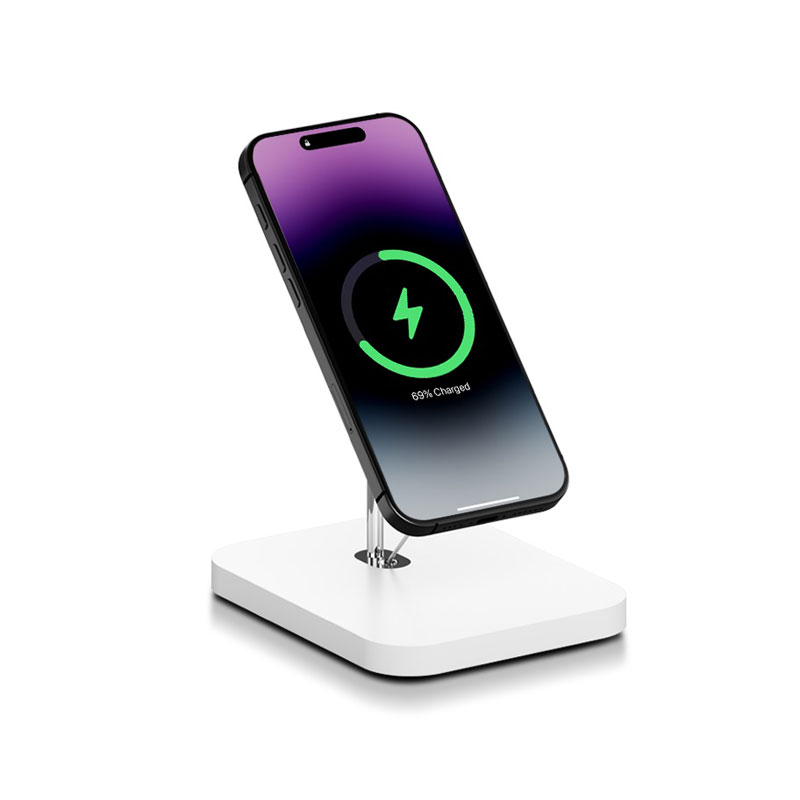
Modern retail faces a structural contradiction. Customers want to touch, test, and compare products freely, while retailers must defend against rising shrink, organized theft, and opportunistic loss. This conflict is especially visible in electronics and specialty retail, where products are small, valuable, and easy to resell.
Merchandise Display Security exists to resolve this contradiction. Rather than restricting access, it slows down unauthorized removal, triggers immediate deterrence, and buys time for staff intervention—without closing off the display itself.
What does effective Merchandise Display Security actually achieve?
Effective display security is not about locking products away. Its real purpose is to create controlled freedom: customers can explore confidently, while retailers retain physical and operational control.
- Reduces grab-and-run theft through physical resistance and alarms
- Maintains stable, powered demos for electronics
- Standardizes product positioning and presentation
- Protects accessories often targeted for silent theft
- Improves staff confidence during customer interaction
Which display security approaches fit different retail scenarios?
| Retail scenario | Recommended solution | Primary benefit |
|---|---|---|
| Smartphones & tablets | Alarmed display stands with charging | Hands-on demo with active deterrence |
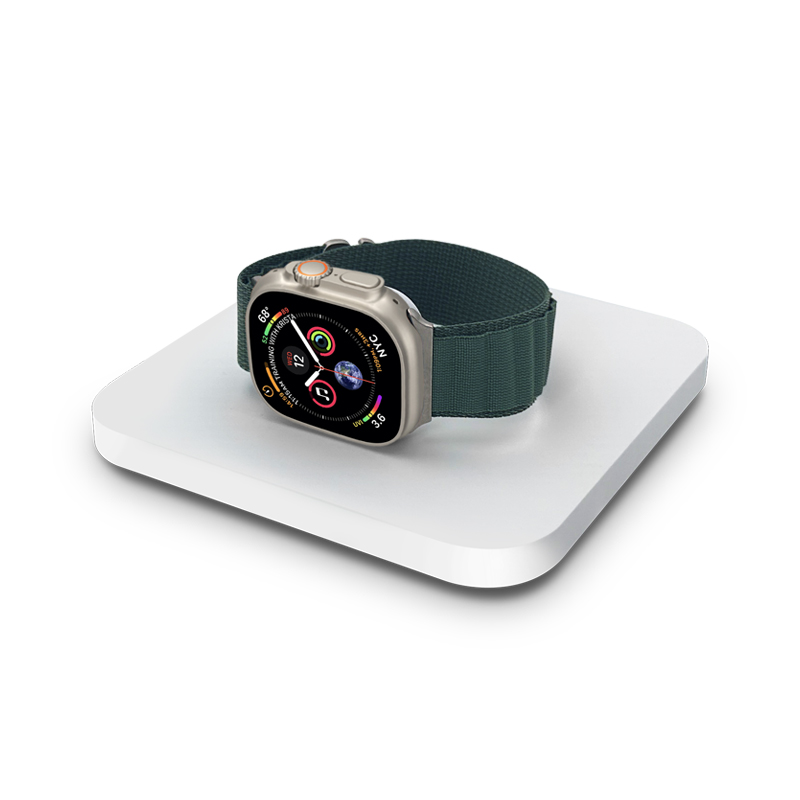
| Wearables & accessories | Compact mounts with secondary alarms | Prevents unnoticed loss of small items |
| Laptops & cameras | Multi-point locking display systems | High resistance during customer handling |
| High-risk store locations | Layered security + staff visibility | Combines physical and human deterrence |
Manufacturers such as Ningbo Pyets Electronic Technology Co., Ltd. focus on these open-display use cases, developing systems that protect products while preserving a premium merchandising experience.
How can retailers select the right system efficiently?
- Product value and resale risk
- Need for live, powered demonstrations
- Customer handling frequency
- Accessory exposure level
- Staff capacity for daily checks
What installation and management practices prevent failure?
Display security systems perform best when installed consistently and maintained proactively. Cable routing, mounting angles, alarm sensitivity, and power stability should all follow standardized guidelines.
Routine inspection and preventive replacement of high-wear components reduce false alarms and unexpected losses.
How should buyers evaluate suppliers and solutions?
Buyers should prioritize suppliers with clear technical specifications, category experience, and real-world deployment feedback. The ability to recommend configurations based on store layout and risk profile is a key indicator of expertise.
Frequently Asked Questions
Does display security reduce customer engagement?
No. When properly designed, it increases confidence and encourages hands-on interaction.
Is display security only for electronics stores?
Electronics are the most common use case, but any high-value open display can benefit.
What causes most display security failures?
Inconsistent installation, cable fatigue, and lack of routine inspection.
How often should systems be tested?
Light daily checks and scheduled functional testing are usually sufficient.
Can display security systems be reused after store redesigns?
Yes, if mounting and cabling are designed with modularity in mind.
Are alarms alone enough to stop theft?
No. Physical resistance and staff awareness must complement alarms.
How do accessories impact shrink?
Accessories are often stolen quietly and require dedicated protection.
Is professional installation necessary?
For large rollouts or high-risk environments, professional installation is strongly recommended.
What should you do next?
Merchandise Display Security should be treated as a strategic investment that protects revenue while supporting open, engaging retail environments.
If you are planning to deploy or upgrade secure display systems for phones, tablets, wearables, or accessories, consider working with Ningbo Pyets Electronic Technology Co., Ltd.. Contact us to discuss your store format, product mix, and risk level, and receive a tailored display security recommendation.
Send Inquiry


X
We use cookies to offer you a better browsing experience, analyze site traffic and personalize content. By using this site, you agree to our use of cookies.
Privacy Policy